When a boiler stops working in early winter, a home can quickly become cold, daily routines are disrupted and hot water may disappear. For families, tenants, landlords and short-stay hosts in Fulham, a sudden boiler breakdown can also create practical problems for guests or occupants. Knowing what to check, and when to call a professional, can help you respond calmly and avoid making the fault worse.
Boilers are often switched on more regularly after the summer, so faults that were not apparent during warmer months can show up once heating demand increases. This guide explains common warning signs, safe first checks and when to arrange boiler repair in Fulham.

Common signs your boiler needs repair
A boiler fault is not always a complete loss of heating. Changes in performance may be early signs that something needs attention. Watch for:
- No heating or hot water, or a supply that keeps cutting in and out.
- Repeated pressure loss or a pressure reading outside the range shown in your boiler’s manual.
- Unusual banging, whistling, gurgling or vibrating noises.
- Leaks, damp patches or corrosion around the boiler or nearby pipework.
- Radiators heating unevenly, rooms taking longer to warm, or the boiler frequently switching itself off.
These symptoms can have different causes, from a thermostat or control issue to a leak or circulation fault. If not addressed, a small problem may lead to further disruption, reduced efficiency or damage to the appliance and surrounding property. A professional diagnosis is the sensible way to identify the cause before arranging a repair.
A fault code on the display can also help an engineer understand what is happening. Make a note of the code and when the problem began, but avoid repeatedly resetting a boiler that keeps locking out.
What to check first when the boiler stops working
Before arranging a repair, a few simple checks may help establish whether the issue is with the boiler or its controls. Keep to checks that do not involve opening the appliance or handling gas components.
- Check the thermostat and heating controls. Confirm that heating is selected and the temperature is set high enough to call for heat. If you use a wireless thermostat, check its batteries if this is safe and straightforward.
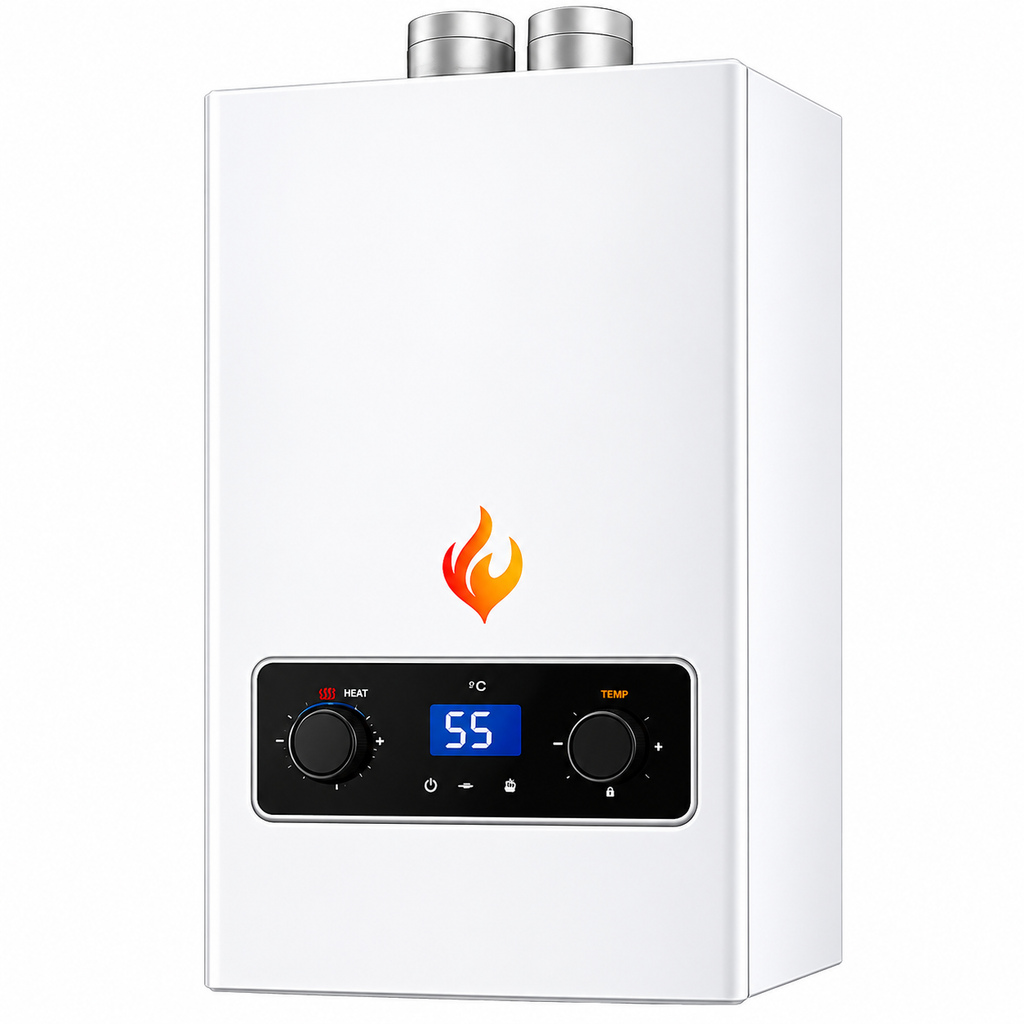
- Look at the boiler display. Note any fault code or warning light. Check the user manual for the meaning and any recommended safe action.
- Check the pressure display. Compare the reading with the range in your manufacturer’s instructions. If the pressure keeps falling, or there is a visible leak, arrange professional advice rather than repeatedly topping it up.
- Check the power supply only if it is safe to do so. If the boiler appears to have no power, check whether a nearby switch has been turned off or whether there is a wider power issue. Do not remove the boiler casing or attempt electrical repairs.
These checks can help you describe the issue clearly, but they cannot confirm the underlying fault. Do not carry out DIY work on gas appliances. Gas work must be undertaken by an appropriately qualified Gas Safe registered engineer. The Health and Safety Executive advises that a gas appliance suspected of being unsafe should be turned off and left unused until it has been checked by a registered engineer. You can check an engineer through Gas Safe Register.

When is a boiler fault an emergency?
Some boiler problems need prompt attention, while others may be booked as a routine repair. A complete loss of heating or hot water is disruptive, especially in cold weather, but signs of a possible gas leak or carbon monoxide exposure require immediate action.
If you smell gas, suspect a gas leak or a carbon monoxide alarm sounds, do not try to investigate or repair the boiler. Follow official safety advice: HSE guidance for suspected gas leaks and unsafe appliances advises calling the National Gas Emergency Service on 0800 111 999. Follow the operator’s instructions, ventilate the property if it is safe to do so, and turn off the gas at the meter only if you know how and can do so safely. Do not use the appliance again until it has been checked.
Carbon monoxide cannot be seen or smelled. Headaches, dizziness, nausea, breathlessness, unusual tiredness or confusion can have many causes, but if anyone feels unwell and a gas appliance may be involved, leave the property and seek urgent help. A carbon monoxide alarm is an important precaution, but it does not replace regular servicing and safety checks.
For a non-emergency breakdown, contact a qualified heating engineer in Fulham and explain the symptoms, any displayed fault code and whether heating or hot water is affected. If you rent, notify your landlord or managing agent promptly so they can arrange the appropriate repair. Landlords, property managers and AirBnB hosts should also consider the comfort and safety of occupants while the fault is being assessed.
Choosing a boiler repair service in Fulham
A boiler repair should be carried out safely and with a clear explanation of the work required. Before authorising a repair, ask what the diagnosis is, what options are available and what the likely costs are. Transparent pricing helps you make an informed decision and understand whether a repair or a further assessment is appropriate.
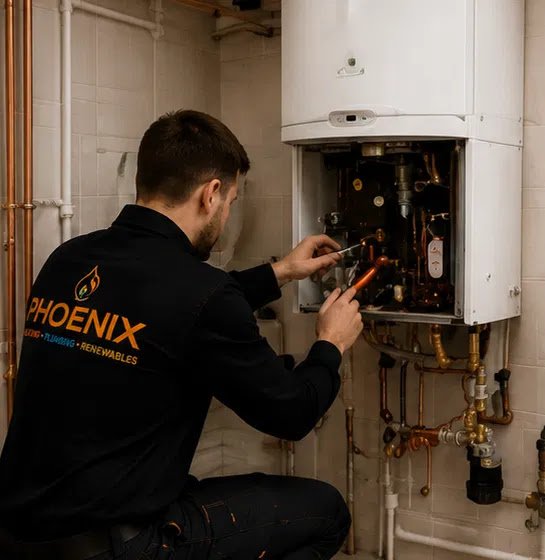
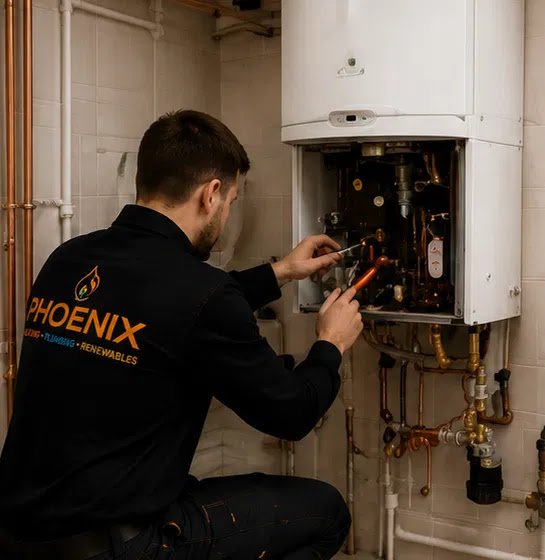
Phoenix Heating, Plumbing & Renewables provides Boiler Repairs and breakdown support in Fulham, as well as heating services in Hammersmith and across South West London. Its Fulham boiler services and boiler repair service cover common problems including no heating, no hot water, pressure loss, leaks and unusual noises.
The company’s service includes 24/7 emergency call-outs, no call-out charges and transparent pricing. Its directly employed engineers are Gas Safe registered, and Phoenix brings more than 25 years of local experience. Repairs are supported by a 12-month workmanship guarantee, subject to the applicable terms. When contacting an engineer, it is still sensible to confirm the expected arrival arrangements, repair options and any costs before work begins.
How annual servicing can help prevent winter breakdowns
A boiler that worked last winter may still develop a fault after months of limited use. Annual servicing helps a qualified engineer check the appliance, identify developing issues and assess whether it is operating safely and efficiently. The HSE advises that gas appliances, flues and pipework should be maintained and serviced at least annually by a Gas Safe registered engineer.
A service cannot prevent every breakdown, but arranging it before the coldest weather can reduce the chance of discovering a fault when heating demand is high. It also gives the engineer an opportunity to flag problems that may affect reliability, efficiency or safety. For landlords, remember that a gas safety check and a boiler service are not the same thing: HSE guidance sets out landlords’ responsibilities for annual gas safety checks on relevant appliances and flues, while servicing supports ongoing maintenance.
If your boiler is making new noises, losing pressure or struggling to heat the property evenly, do not wait for it to fail completely. Early attention may help avoid a more disruptive breakdown, protect your home from water damage and restore reliable heating sooner.
Need boiler repair in Fulham this winter?
If your boiler has stopped working or is showing signs of a developing fault, arrange an assessment with a qualified engineer. For urgent boiler problems, Phoenix Heating, Plumbing & Renewables offers 24/7 call-outs across Fulham, Hammersmith and South West London. Call 07786 000052 or visit the boiler repair service page to find out more.
Are You Winter Ready? Book an annual service before a minor warning sign becomes a cold-weather breakdown. Phoenix Heating, Plumbing & Renewables also has excellent ratings on Google and Trustpilot.